 Skip to content











































































































Olfactory Observations: Fragrance
OUR SENSE OF SMELL IS ANCIENT
Long before we learned to read ingredient labels, we were learning through our noses. Smell tells us a lot. We can tell when something is ripe, when something is burning, when rain is coming, when a flower is blooming. Plants use scent, too. Chemistry is their language.

WE HEAR PLANTS WITH OUR NOSES
Plant aromas stack functions. They attract pollinators. They deter hungry insects. They are responses to stress. They are signals of communication. Plant scent is part of their identity.
WHICH BRINGS US TO THE F WORD
On an ingredient label, ‘fragrance’ usually isn't a single ingredient. It's an umbrella term that can represent a blend of many aromatic compounds. Many toxic, petroleum-derived ingredients get to lie in the shadows of ‘fragrance’, hiding under the guise of “proprietary blends”.

THAT’S NOT HOW WE FORMULATE
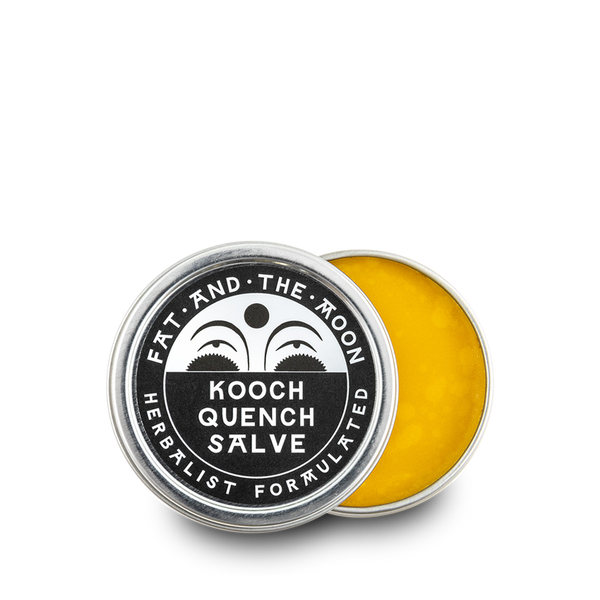
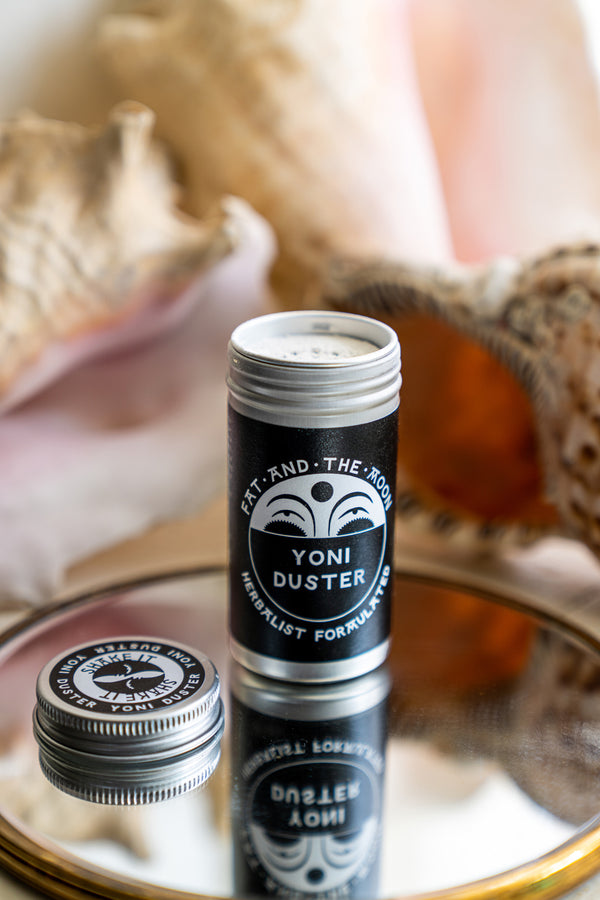
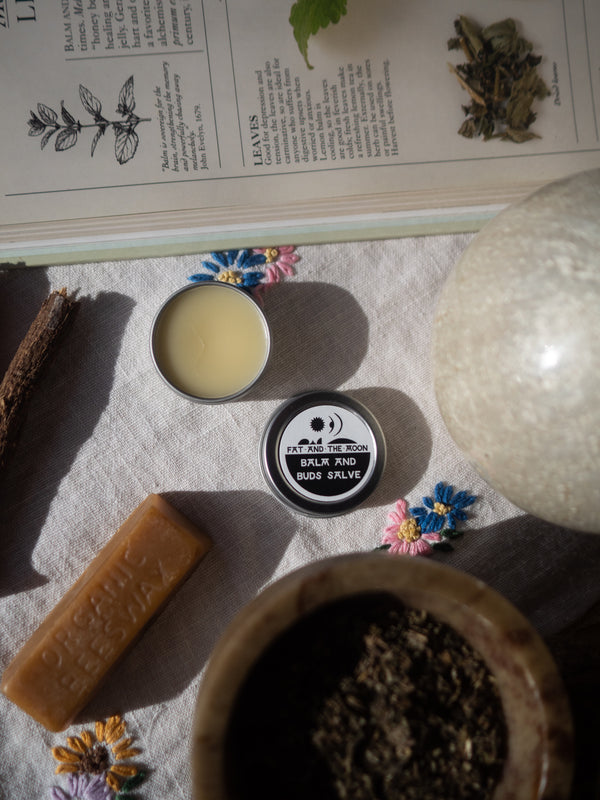
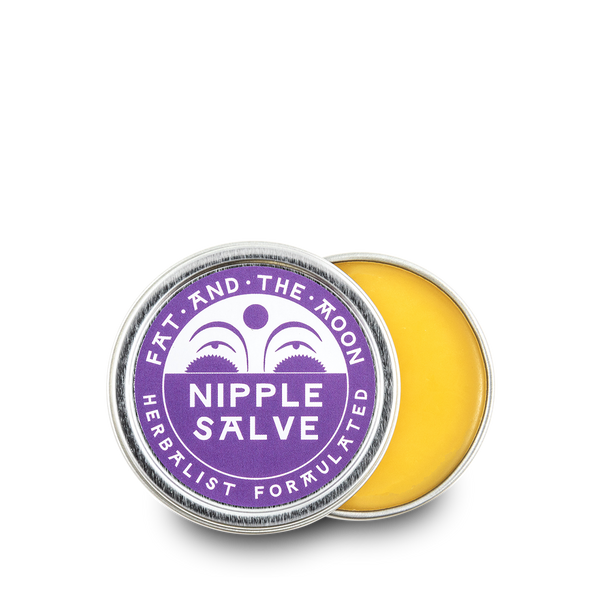
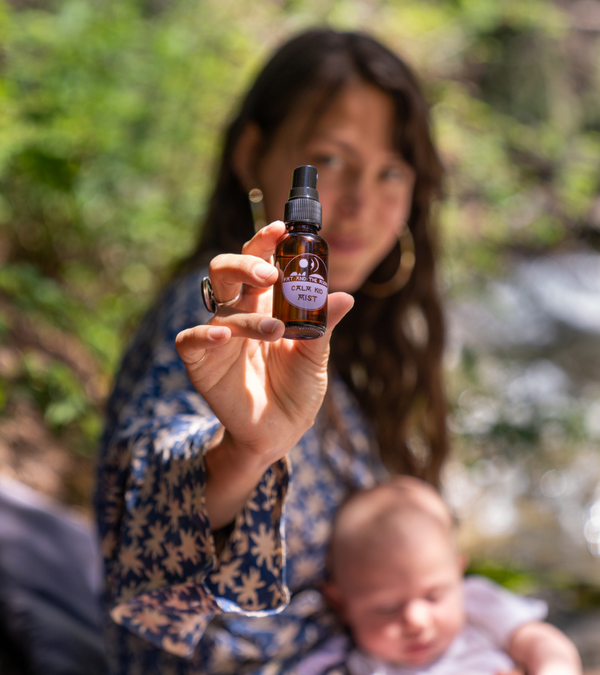
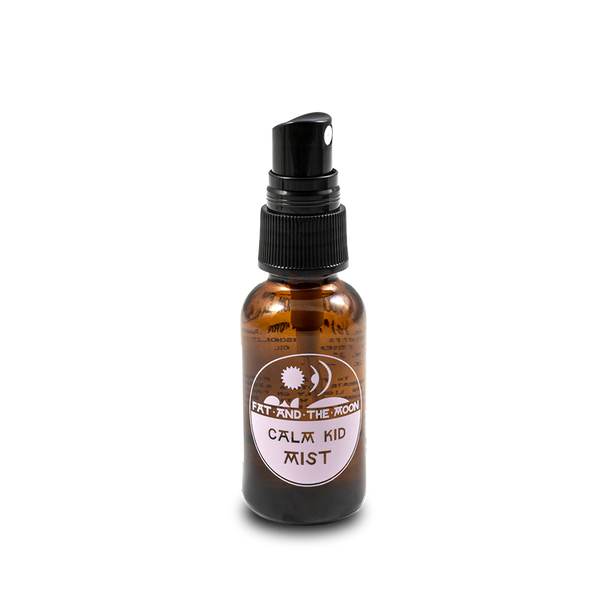
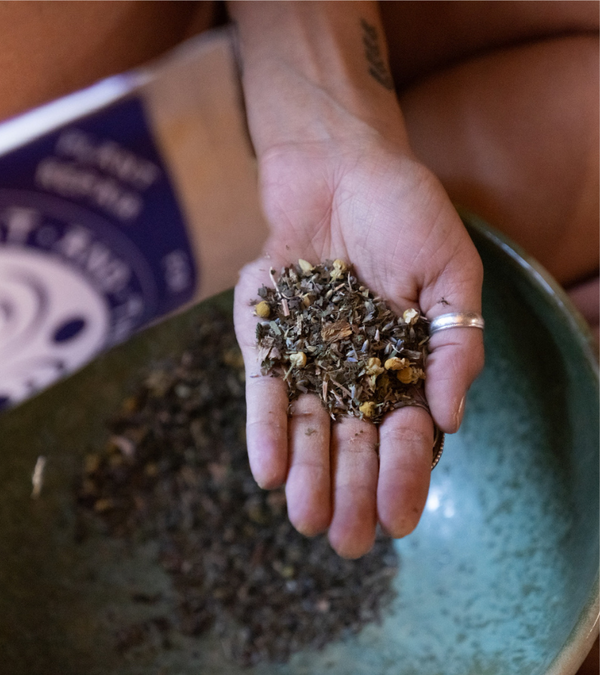
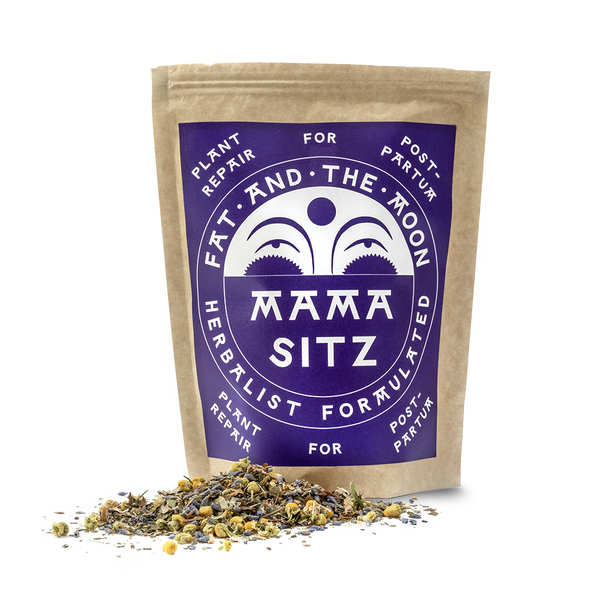
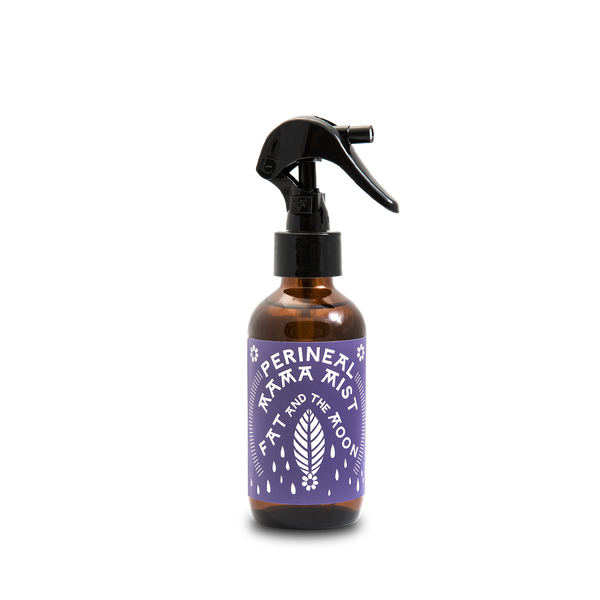
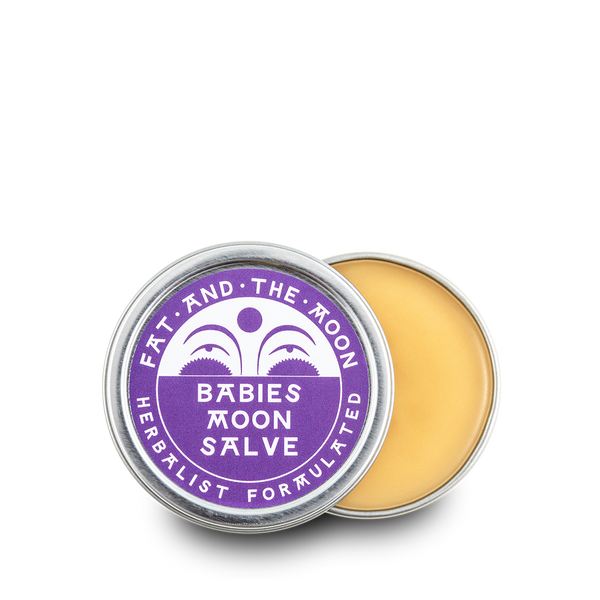
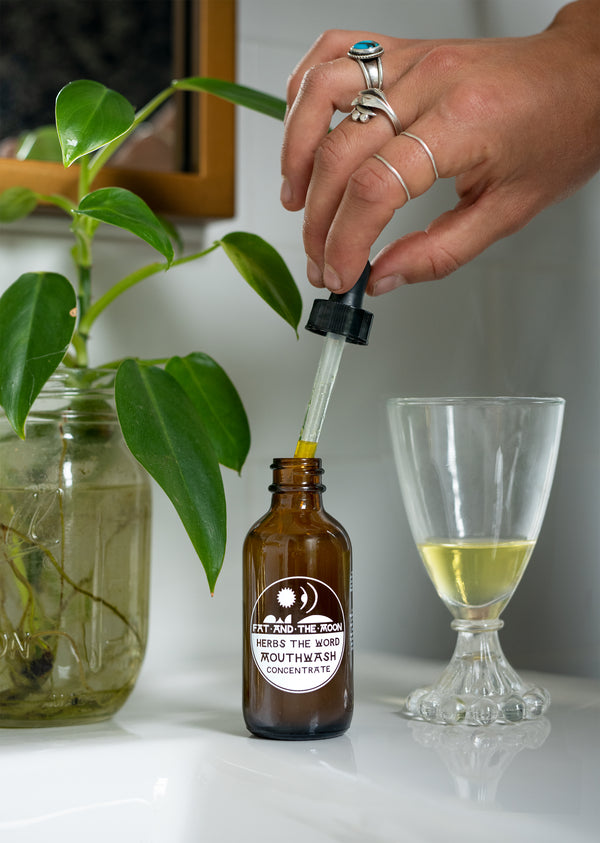
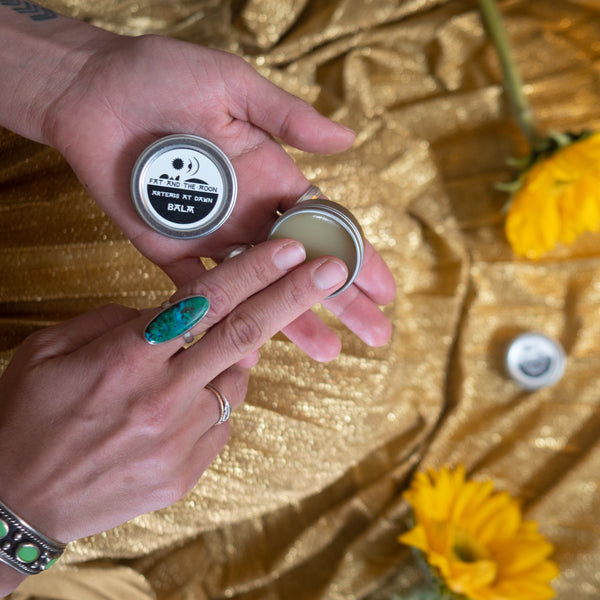
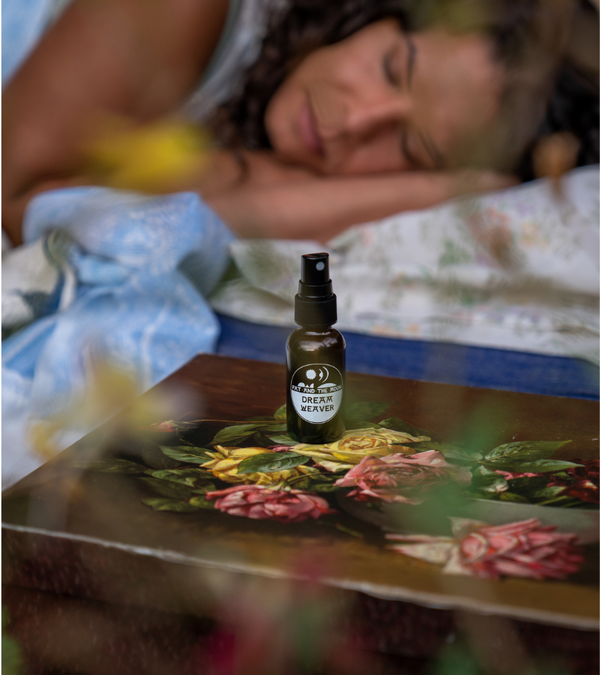
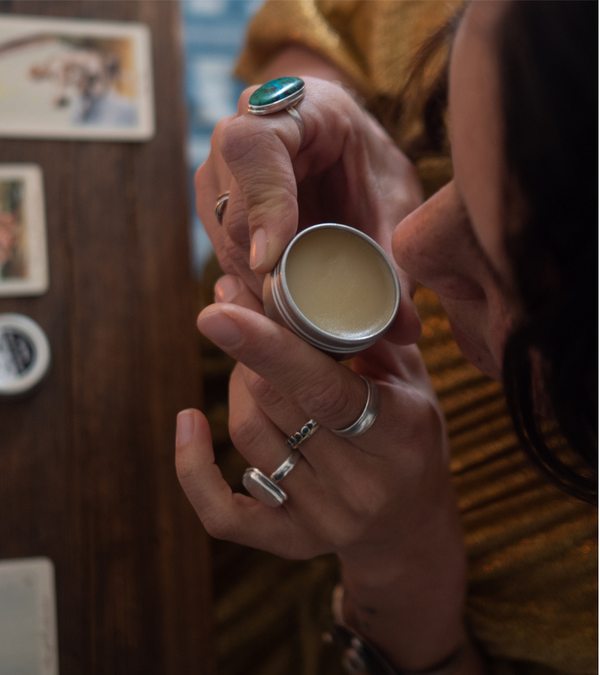
When we create a potion, the aroma comes from functional essential oils and plant infusions themselves. Lavender smells like lavender because there's lavender in the formula. Rose geranium smells rosy because rose geranium is in there. Every scent has a source, and we think that source deserves to be named.
Working this way means accepting that plants aren't identical from season to season. A lavender harvest might be a little sweeter one year and a little more herbaceous the next. Citrus changes with the weather.
We don't see that as inconsistency, we see it as proof that plants are alive.

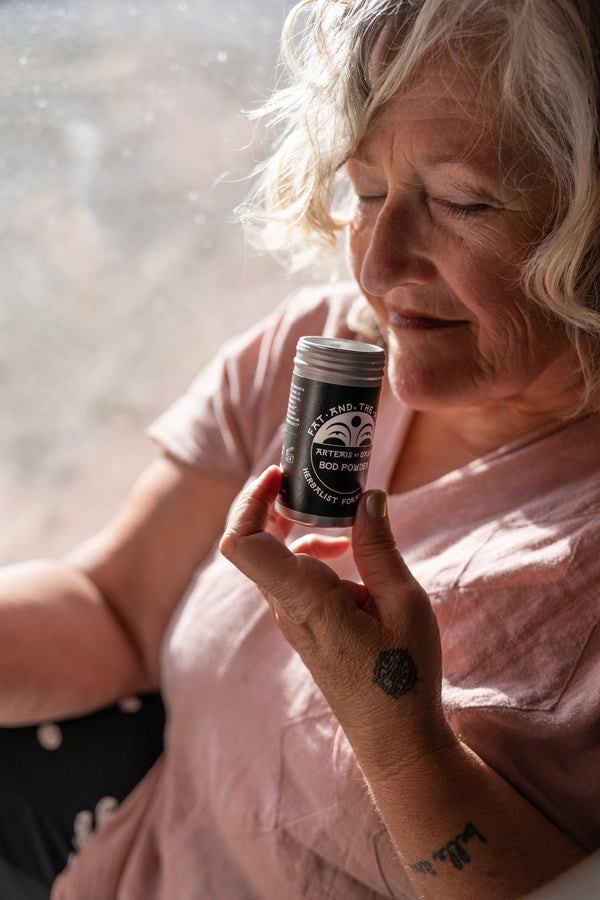
The olfactory experience of a plant isn't something we want to control or replace. Scent is one of the ways we are in an ongoing dialogue with plants, especially at they mingle with our chemistry.
So we don't hide our scents behind the word "fragrance." We'd rather introduce you to the plants themselves.
