 Skip to content











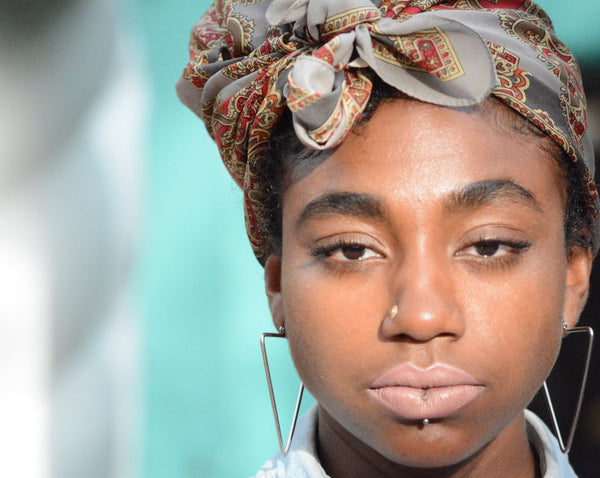
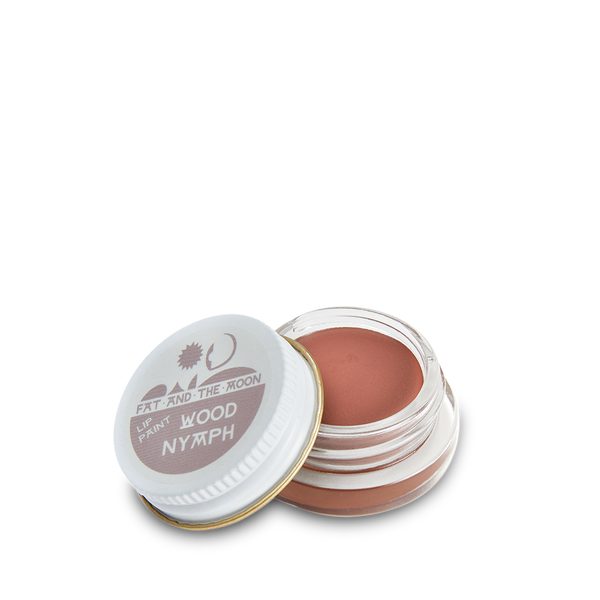

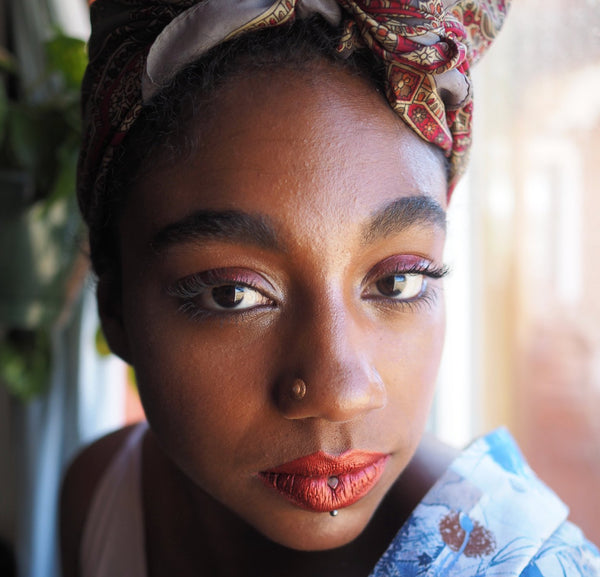
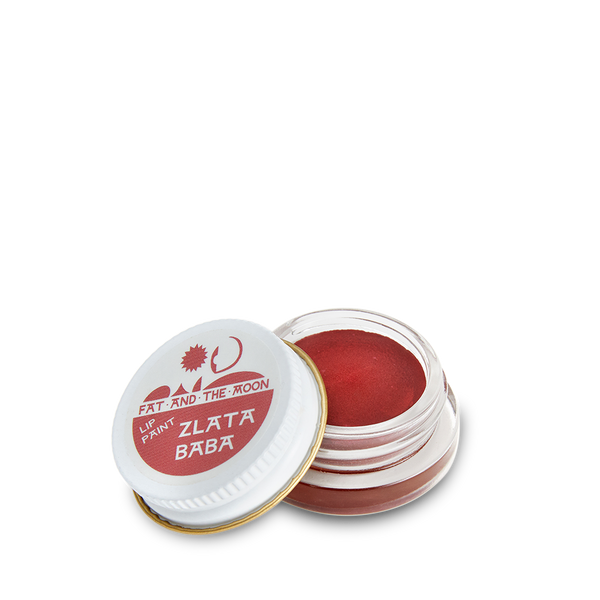









































































Fat Crush: Erica Fargione
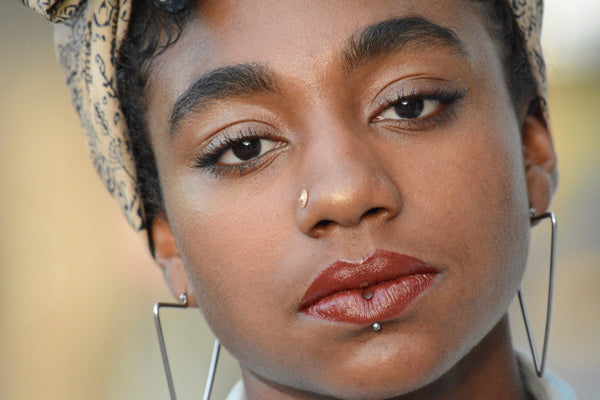
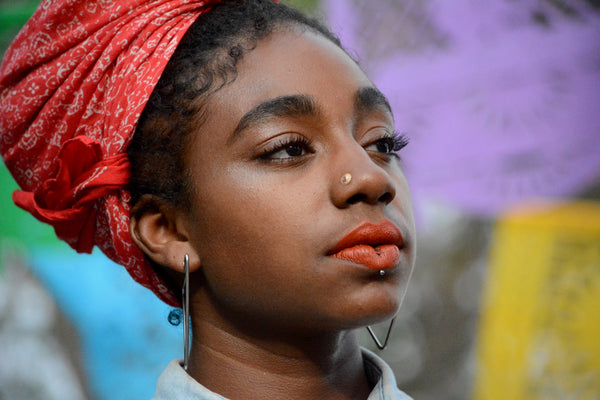
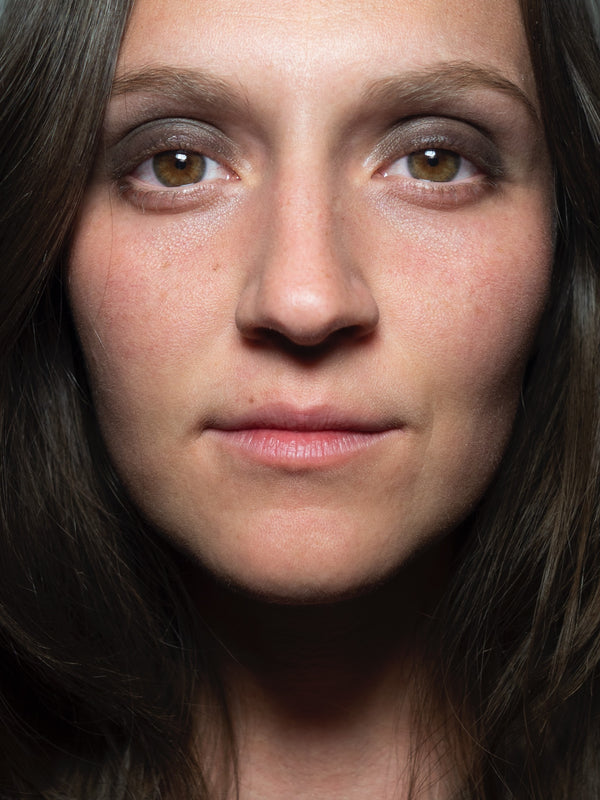
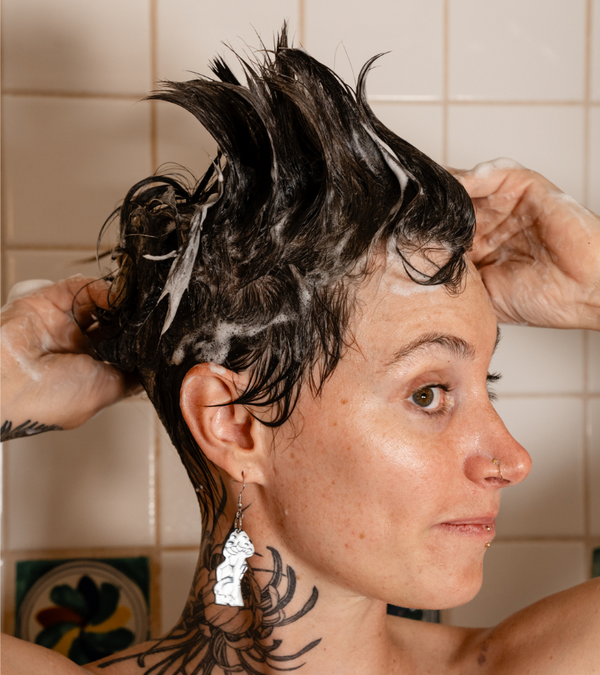
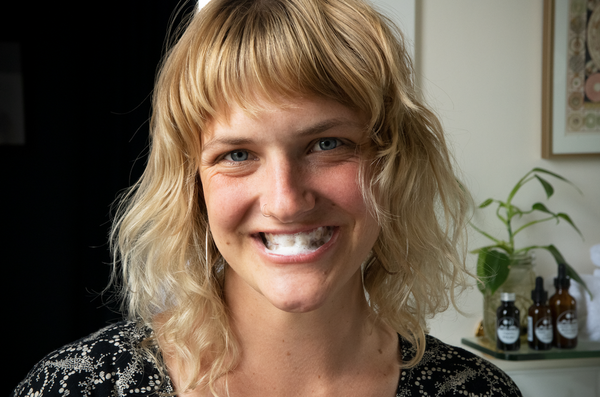
One of the best parts of leaving the Coven every now and then is coming home with new people to crush on. Rachel met Erica Fargione at the Midwest Women's Herbal Symposium and immediately knew we wanted to introduce her to our community.
Erica is a botanist, herbal educator, and community organizer.


Her work is rooted in a simple but powerful idea: everyone deserves access to medicinal plants and the knowledge to use them. She teaches the next generation of herbalists, advocates for more medicinal plants in community spaces, and asks good questions about who gets access to the plants growing all around us.


We love that her work isn't just about herbalism. It's about people, neighborhoods, and helping folks reconnect with the living apothecary that's already around them.
We asked Erica a few questions about the work that's calling her these days, what keeps her grounded, and, of course, what she's crushing on lately.
Fat and the Moon: What is your work in the world right now?
Erica Fargione: II am currently a single mom of two amazing teenagers and Herbal Studies faculty at a state run Community and Technical College in Downtown Minneapolis which offers a 24-credit certificate and a 32-credit diploma in Herbal Studies. My other work is supporting plant diversity in our city parks as well as local herbal businesses and our local Herb Guild through training a workforce, workshops and presentations. I see my work as fostering an environment in our community for people to connect with plants. I believe in access to medicinal plants and knowledge about how to heal, for everybody. People talk about food deserts, which I agree with, food is the first medicine. I also believe in medicinal plant deserts, where people who do not own land do not have access out their backdoor for the plants that help with their injuries, colds and flues, backaches etc. I am working to get medicines into community gardens, people’s yards and change public park policy, where it would be no longer illegal to harvest the “weeds” that are medicine, as well as supporting policies that grow a diversity of plants. I do a lot of different things, with a singular focus. I believe that the more people know this world around us is an apothecary, this collective community will shape our cities to honor the plants. Which then supports the other beings that rely on the plants. I also want folks to feel encouraged to take care of their wellbeing, then they take care of the wellbeing of the planet. From my first experience of coming to the plants for healing, I know that people need to see it work on themselves, witnessing true healing from the plants. Plants give us everything, one part of that is an apothecary to heal ourselves. I also am grateful for the oxygen, food, housing and clothes that they provide. Plants do everything for us. Yet, people just mow.
How did you find your way to this work (or how did it find you)?
My whole life I have studied plants. I planted gardens as a kid without encouragement, worked in greenhouses since age 14, majored in Botany and Environmental Horticulture in college. I did not know much about herbal medicine until after I graduated with my B.S from the U of MN at age 19. That is when a car hit me at 60mph while riding a bike. I came to herbal medicine like many, because all the available options from the healthcare industry, which insurance pays for, were not healing me. I paid out of pocket for an herbal treatment that truly saved my quality of life. Granted, I did not have much money, but I chose to spend it on one appointment. It changed my life and my herbal journey began. I bought 130 acres in the Driftless of Wisconsin. I learned the plants. I started herbal practice and teaching on my farm in 2001.
In 2006, I left my farm. I brought myself back to the city and started, with 3 other people an Herbal Studies associate degree in a college setting. In 2009, the college deleted the program because they said there were no jobs in the field of Herbal Studies. After they closed the program, I worked to collect the data about jobs in the field because I learned the US Department of Labor Statistics did not collect data on jobs in Herbal Medicine. Turns out, once I collected the data, they awarded Pell grants and financial aid, which is when I again came to the college to offer a certificate in Herbal Studies. That was 2012, It has only grown from there. In January, I will have been teaching Herbal Studies for 20 years.
After the program closed, I worked to collect data about jobs in the field of herbal medicine because I learned the US Department of Labor Statistics did not collect data on those jobs. This was what was causing the difficulty in offering a degree at a public institution. Another big issue that has made it hard to start Herbal Studies programs at state colleges is that there is no licensure in states for Herbal practitioners. This I have yet to solve. But that is a bigger issue with herbalists on all sides of that proposal.
Turns out, once I collected the data, the US Department of Education awarded Pell grants and financial aid, which is when I again came to the college to offer an 18-credit Certificate in Herbal Studies. That was 2012, It has only grown from there. We currently have a 24-credit Certificate and a 32-credit Diploma. In January, I will have been teaching Herbal Studies for 20 years at the College. From 2019-2025 we gave out 121 awards.
Our degree statistics from those 6 years show the diversity of our program.
42% people of color.
52% of people were low income.
50% of people get the classes for free in many ways; from grants to the state providing free college classes for those over 62, GI bill, Post Secondary options for high school students, as well as the Minnesota Northstar Promise which provides free college to qualifying state residents. Many parents have also taken advantage of the free childcare services provided by the college.
There is a lot that goes into working at a public state institution. I do it because of the accessibility to everyone. My program is diverse because of its accessibility to a wide range of people. I feel blessed to have had this opportunity to create what did not exist when I was 19, an award program in herbal medicine at a state institution with a diversity of classmates, and financial assistance. After almost 20 years on the job, I am surprised this has not been replicated in other states. What I want to add is that every one of our ancestors had deep relationships with the healing plants. It really changes Herbal Studies when you teach diverse.
What do you see happening in the world where you want to support, protect, or grow?
I see people from diverse backgrounds wanting and working to make this world a better place. It’s all hands-on deck. We need to show up with our purpose in gracious and generous ways that seed the future we want to create. Seems all you need to do is show up, wake up in the morning and meet the day. I have things I have been seeding for 30 years. Others have theirs. I think it imperative that we don’t give up, no matter how hard. This crazy time is abundant with possibility. I also would support anyone who wants to grow an Herbal Studies program at a public institution in their community.
When things feel heavy, what helps you ground yourself or return to your body?
Water, Baths, swimming, music. It's always the Water element for me.
This is most likely my dominant Wood Element in TCM or Air Element type in Greco/Islamic Traditional medicine systems. I love the Traditional Medicine systems for the knowledge one can gain about their personal patterns. Knowing what element one needs to balance the dominant element/s is imperative to getting through the hard stuff.
What's nourishing you lately (inside or out)?
Nourishing is a great question.
Outside, my skin needs daily nourishment. Inside, I am constantly dealing with Iron, Ferritin levels and Hemoglobin.
These are the things I am constantly working on. Eating steak once a week and daily moisturizer is a base level of care. My favorite cream is homemade with turmeric and St john's wort oil, Coconut butter, Shea butter and Rose water.
What Fat and the Moon potion do you love?
I appreciate the Fat and Moon formulations. Formulation is tricky. Especially when giving to a wide base. I think all the formulations are well designed.
Is there anything you'd like to share with our community, something you're working on, an upcoming release or event, or a way folks can support you?
I am doing many things locally, coming up, but I don't have a big, national, release. I have a college program that takes a lot of my time.
Who do you have a Fat Crush on?
I have a Fat Crush on Minnesota, especially Minneapolis. It has been a long winter, and we are healing from the US government attack. I hope that other cities don't need to show up like ours did. I hope we are an example for any city the government chooses to attack. I think though, that our city stopped the nonsense:) There is so much to crush on.
My plant crush currently is Self-Heal, Heal All Prunella vulgaris this year. Healing Wounds.
My plant of the year is Anise Hyssop Agastache Foeniculum. Healing the hearts of all wounded warriors. Plus helping with Tear gas in the lungs.
And just last week, I have a big crush on St. John's wort.
Oh, and I have a Fat Crush on my former students. I have had the opportunity this summer to see what they are doing in the field of herbal medicine in our community. It is such a joy to see the number of people working hard for People, Plants and Planet!