 Skip to content







































































































Plants Over Pertroleum
Petroleum changed the face of cosmetics.
Prior to the mid 1800s, color for paint and cosmetics came from plants, minerals and insects.
- Plants (madder, indigo, safflower, turmeric)
- Insects (cochineal)
- Minerals (iron oxides, ultramarine)
- Wood and lichens

Everything changed in 1856…
In 1856 William Henry Perkin accidentally synthesized the first aniline dye ("mauveine") while trying to make quinine.
Coal tar (and later petroleum) suddenly became a source of brilliant synthetic colorants.
These petroleum derived ingredients were inexpensive, incredibly stable, and easy to produce at scale. They continue to dominate contemporary cosmetics.
Most cosmetic dyes are not simply "petroleum."
Rather, they have many names because they are synthesized from aromatic hydrocarbons that today usually originate from petroleum refining (historically many came from coal tar).

We like our color conscious.
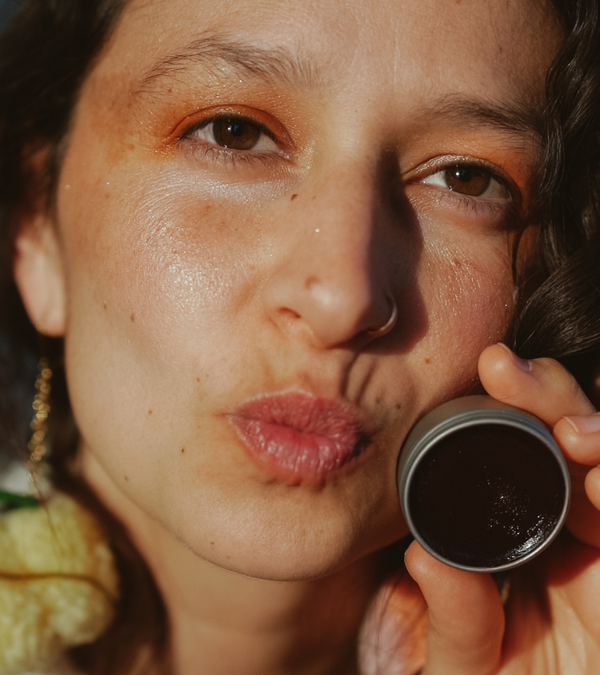
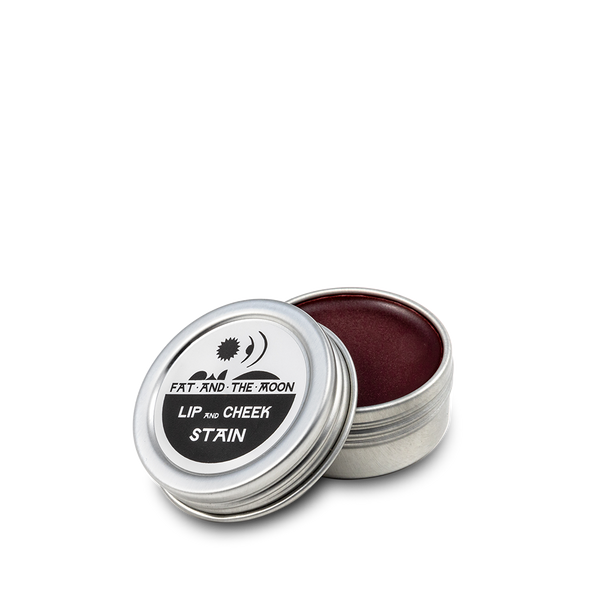
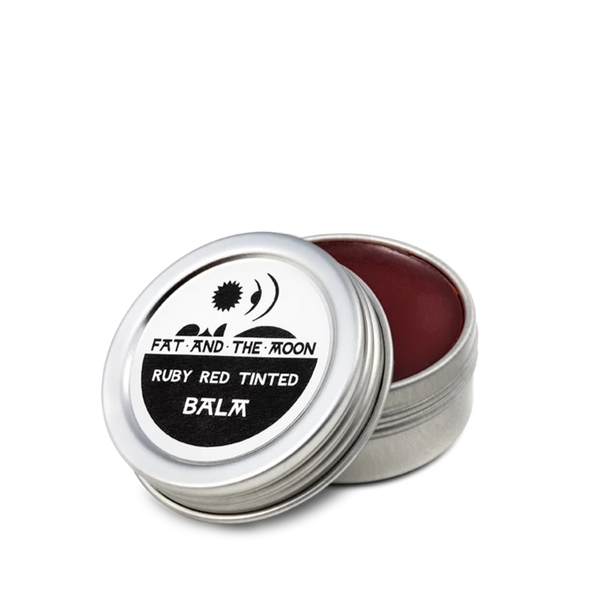
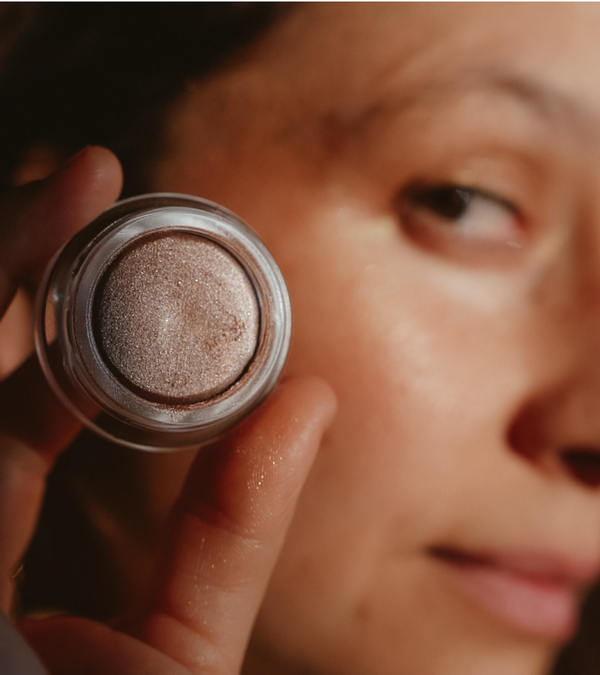
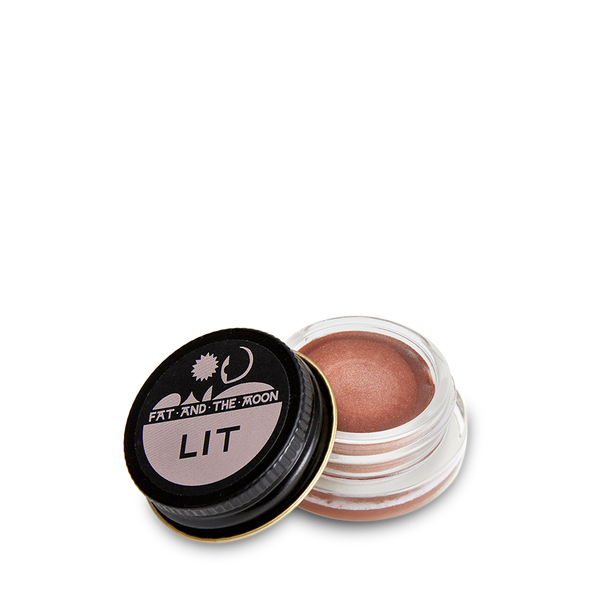
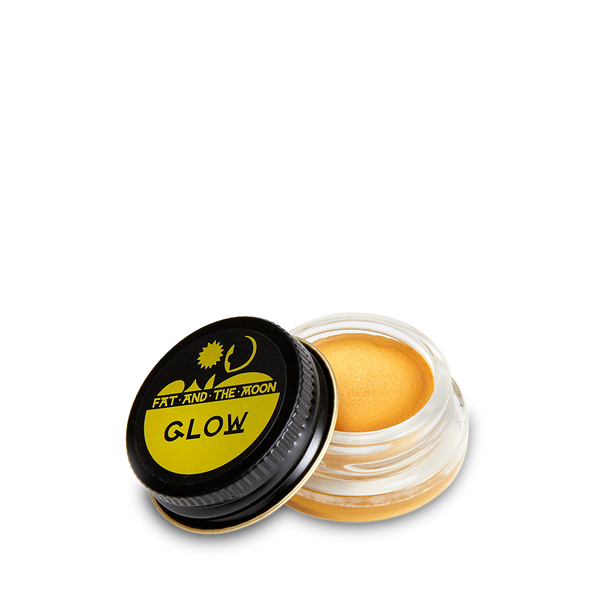
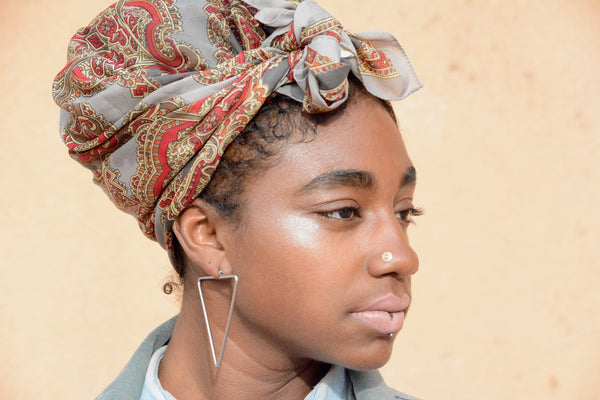
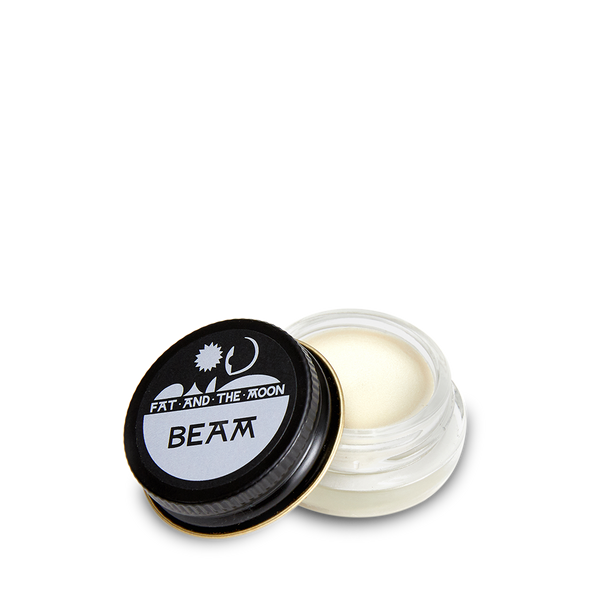
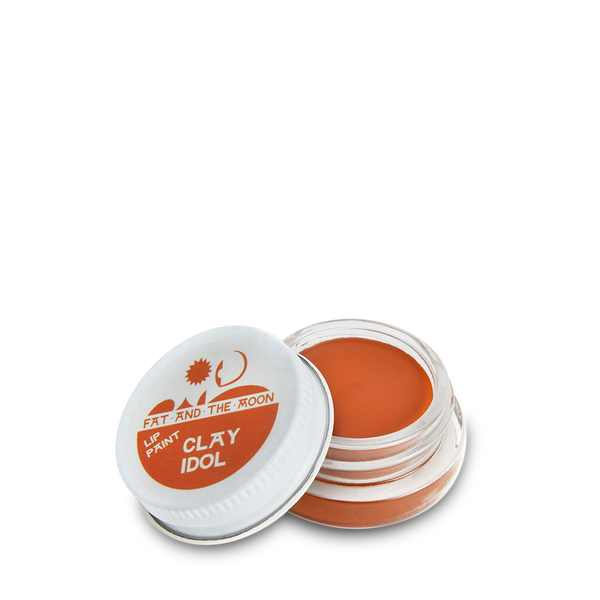
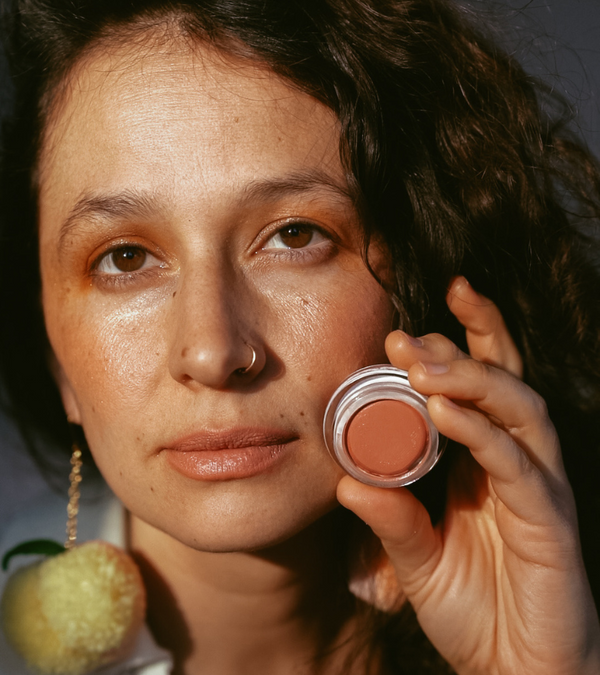
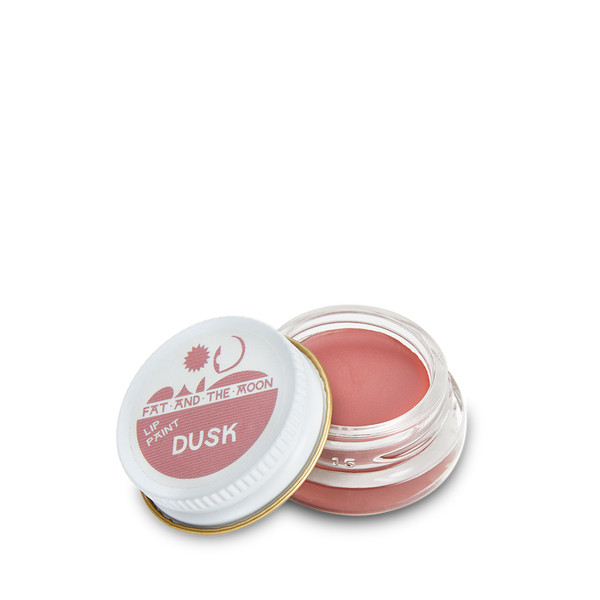
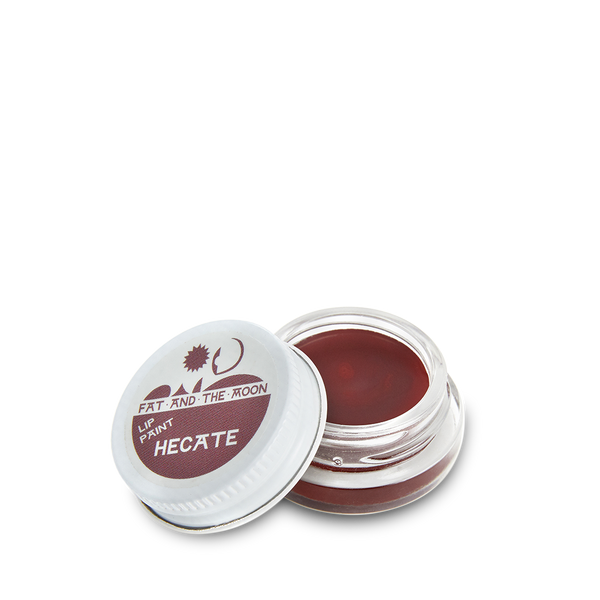
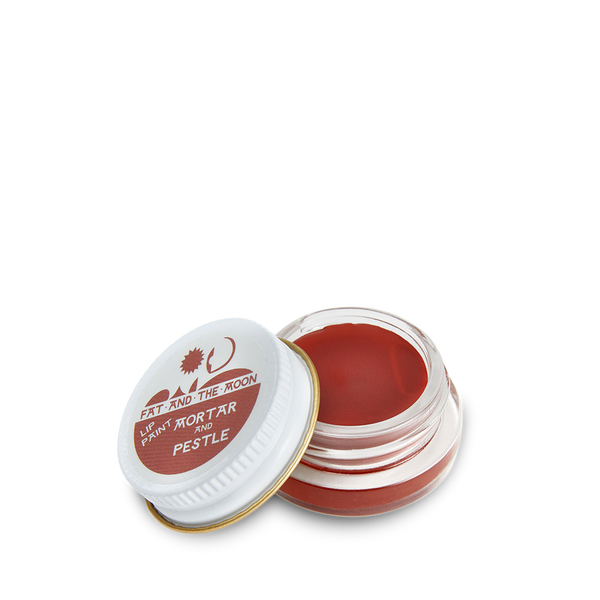
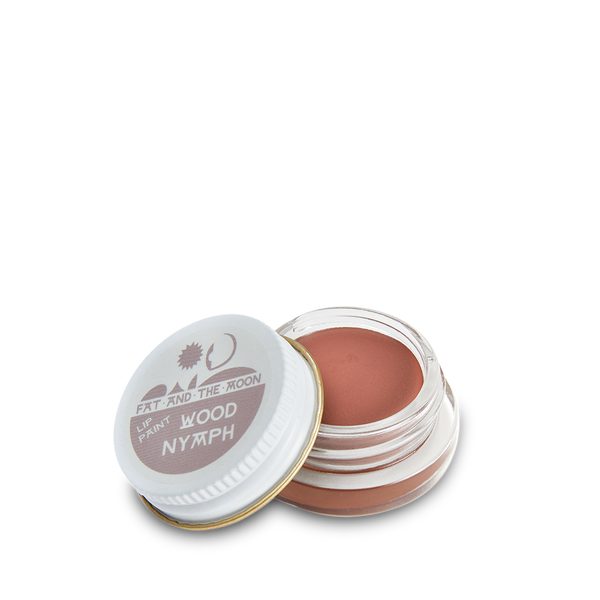
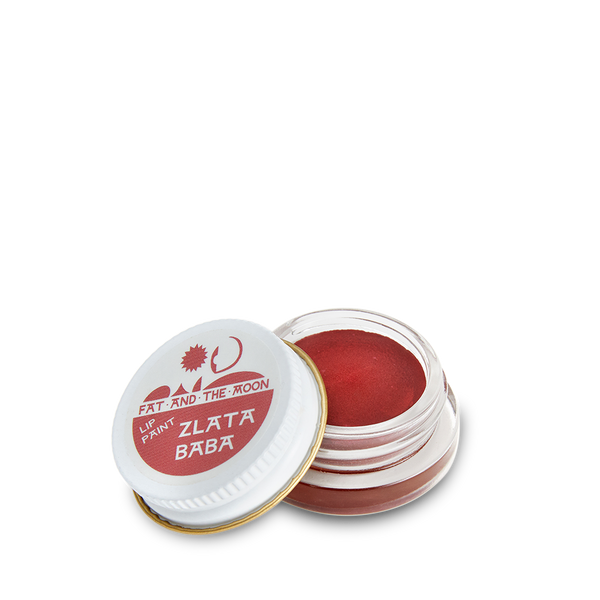
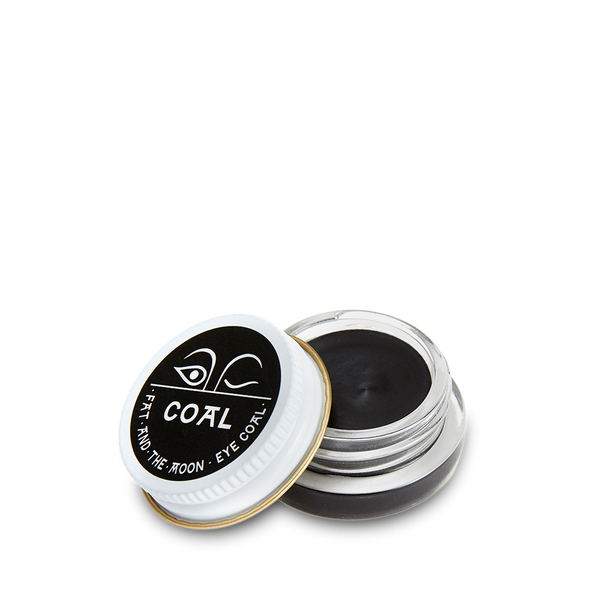
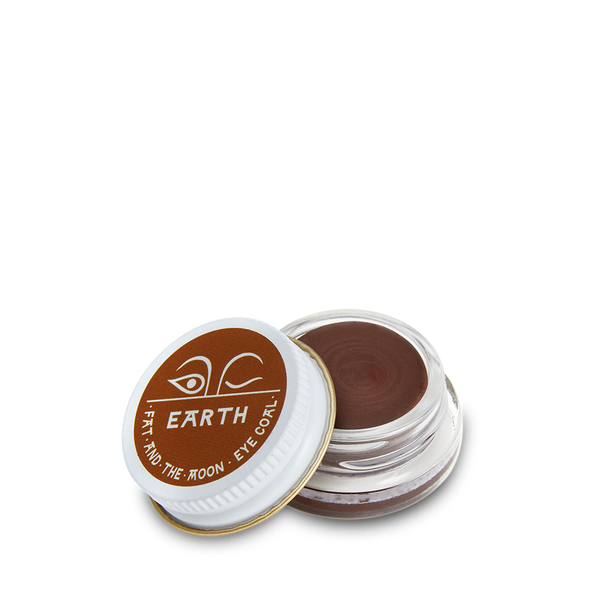
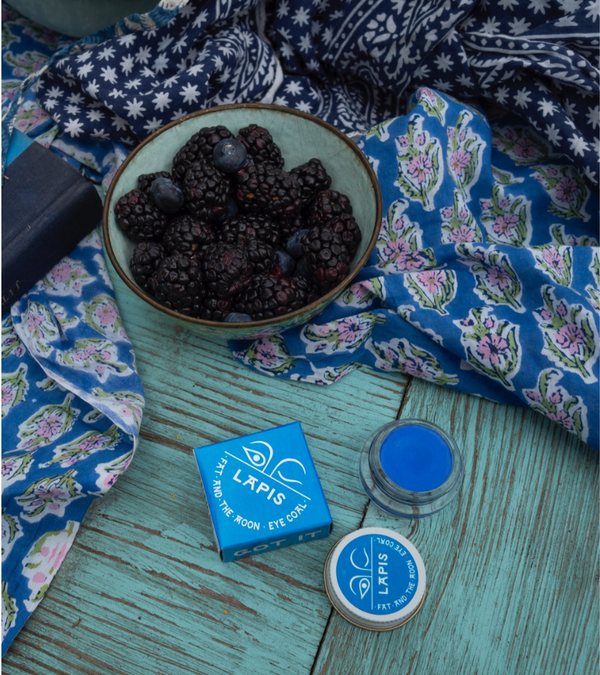
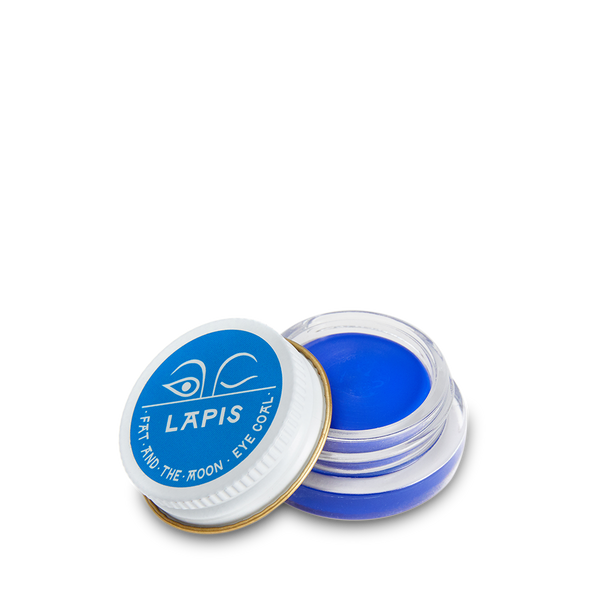
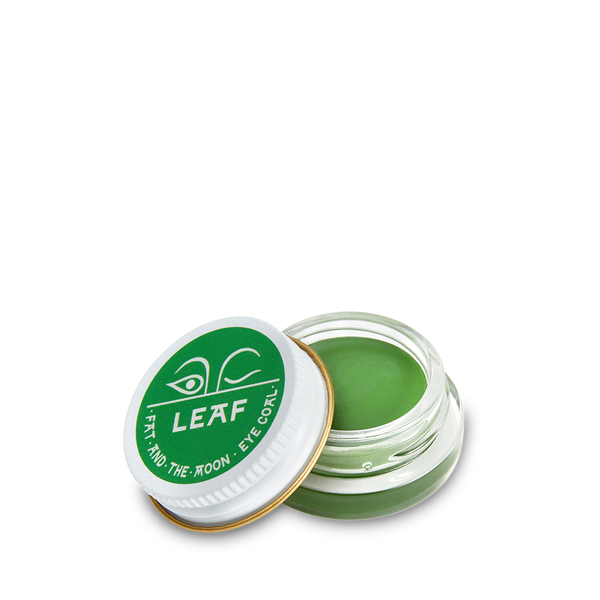
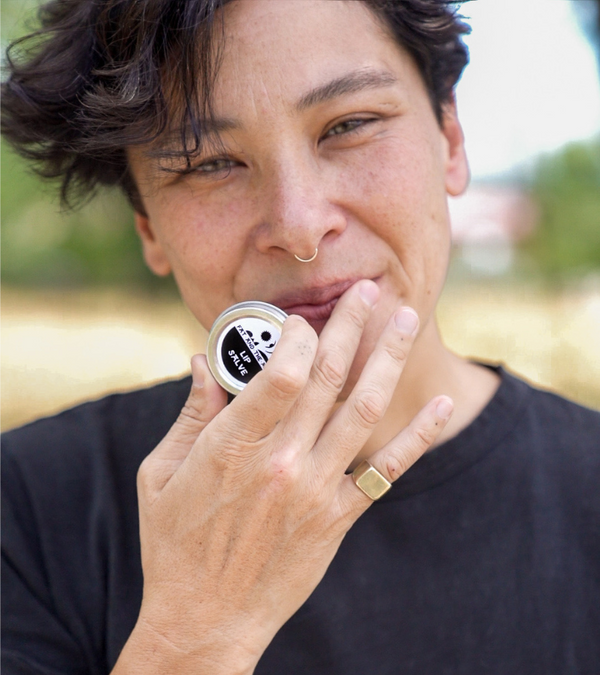
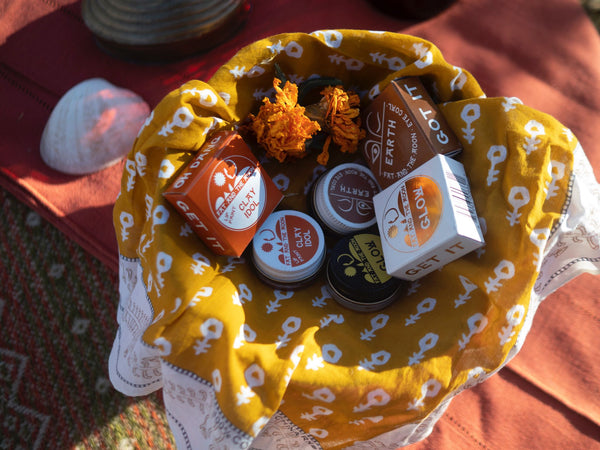
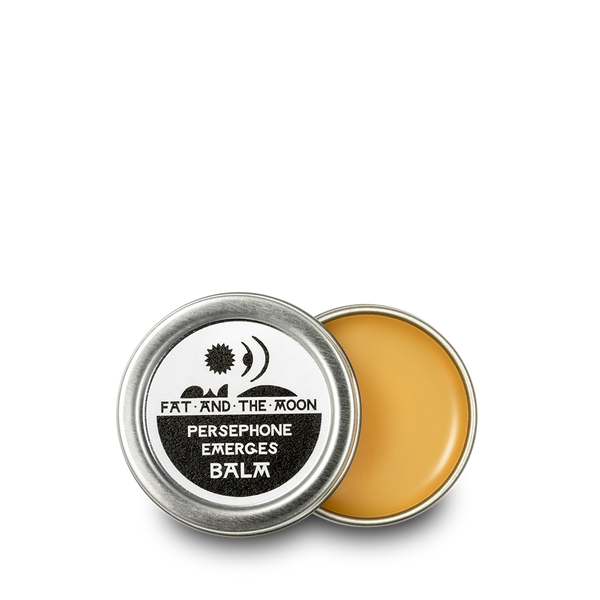
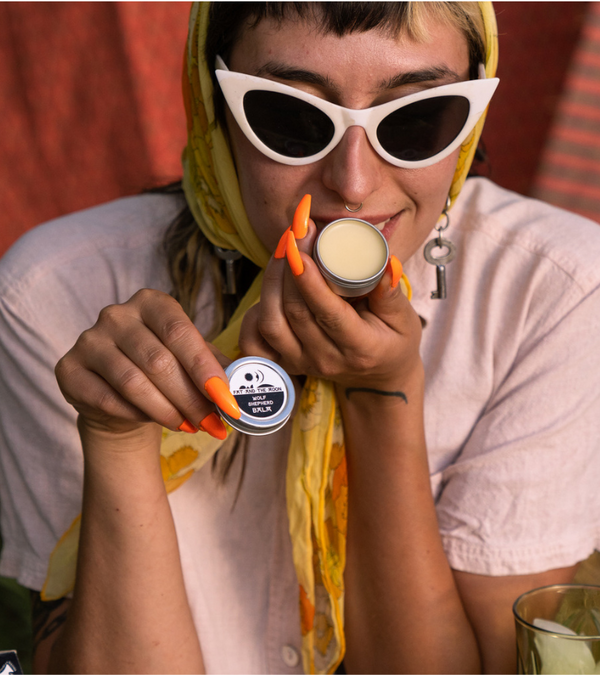
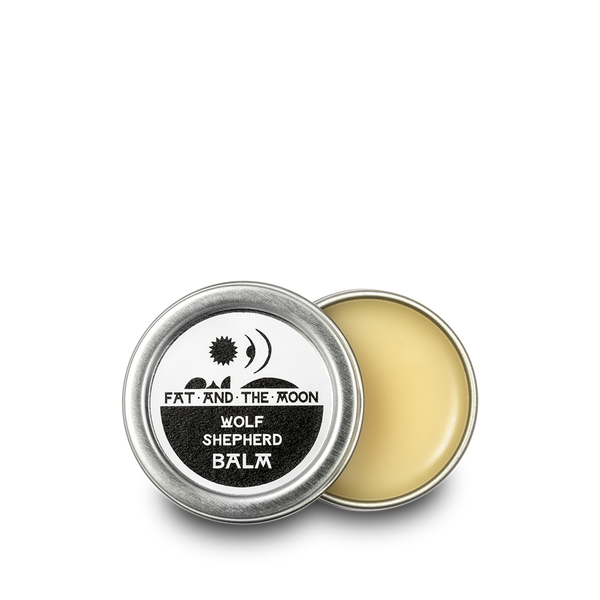
Rather than reaching for petroleum-derived ingredients, we build our color with mineral oxides, ethically sourced micas and plant based color. It can be a harder road, especially when the standard for cosmetics is bright, vivid and super stable color that literally dyes the skin.
Yet even with these obstacles, we are dedicated to adornment of the highest order.
There is a beauty in work within restriction, especially when the perimeters come from our values.

So if you are trying to reduce the petro-chemicals in your life, we are stoked to offer our adornments for your expression purposes. Color that comes from minerals and plants has a different vibration, friends. Radiate onward.