 Skip to content















































































































Reclaim the Flame: 'Tis the Season of the Witch

‘Tis the Season of the Witch
A while back, our founder Rachel taught a class called ‘Reclaim the Flame’ about the intersection between witch burnings and burnout. She discussed epigenetics, cultural trauma, and how survival beliefs get woven into our cells; and of course, how the generous ways of the plants can guide us in seeing and repatterning some of these embedded beliefs. The first step in the journey is reclaiming our awe, our power, our magic, our carnal-existences AKA honoring the Witches we are. Thanks Halloween for letting us stretch the f’ out. Below are some thoughts and resources to chew on, Witches.

Why yes, Friend. I am a Witch
Witch ain’t been a pretty word for a while. During Europe’s witch hunts, accelerated by the printing press and the actually crazy hateful text the Malleus Maleficarum (1487) tens of thousands were executed, about 85% of them women. Beyond superstition, these persecutions had an agenda: political consolidation, takeover of the common land and a deep cultural project: dominate “nature” (and those associated with it). Midwives, healers, outspoken women, anyone on the margin, were easy targets. The witch hunts were used to violently punish those who resisted this new order or who maintained alternative (often female led) ways of living and healing, which included communal care and folk medicine.
That legacy lingers. As anthropologist Sherry Ortner argues, patriarchy and capitalism position a split between “culture” and “nature”, as well as “culture” over “nature”.
What is perceived as ‘natural’, like care, is not valued. People who provide ‘care work’ are devalued, and invisible; women’s bodies and labor get treated as raw material. The real shit of this is we internalize these rules to stay safe. Over time, what was once adaptive becomes harmful.
That’s the seedbed of burnout.
Burn baby burn
Apropos, on so many levels. The World Health Organization classifies burnout as a syndrome resulting from chronic workplace stress. The hallmarks:
- Emotional exhaustion
- Depersonalization / disconnection
- Reduced sense of accomplishment
Women are hit harder by burnout. Unequal domestic labor, pay gaps, microaggressions, and less autonomy all contribute.
But burnout is not a personal failure; it’s your body’s protective freeze when fight-or-flight can’t resolve the threat. It’s a message, not a verdict.
Burnout is a signal. When we listen, we can reroute the flame.
The Other Part of Herbal Medicine: The Bod
So how does this affect us? Socially, emotionally, psychologically, spiritually and physically. Burnout incarnated:
- Inflammation: Acute inflammation protects; chronic inflammation damages, linking to cardiovascular disease and autoimmunity. Another adaptive response that turns maladaptive when stuck “on.”
- Autoimmunity & glycation (AGEs/RAGE): Autoimmunity disproportionately affects women. Advanced glycation end products (AGEs) and their receptor (RAGE) drive oxidative stress, vascular damage, and tissue stiffness. That’s right, didn't make that up- the acronym is actually RAGE.
- HPA axis & autonomic nervous system (ANS): Chronic stress dysregulates the hypothalamus–pituitary–adrenal loop and locks us in sympathetic (fight/flight) dominance or dorsal vagal “freeze.” Healing asks for flexibility, not perfection.

The Cool(ing) Thing about Witches? They got Tools.
- Breath: Parasympathetic activation, lets your body know you can chill and rebuild. Make your exhale twice as long as your inhale. (Try 4 in / 8 out for 2–3 minutes.) Breath is the miracle drug.
- Movement to thaw freeze: Gentle shaking, dancing, walking, and simple qigong (like Ping Shuai Gong) discharge stress chemistry and restore rhythm.
Know Thy Kitchen
Our ancestors ate 100–200 plant species; modern diets hover around 20. Food builds structure while herbs build systemic resilience, restoration and balance. Start in your kitchen:

Black pepper
Enhances nutrient absorption.

Cinnamon
Supports glucose regulation.

Cayenne & chiles
Antioxidant-rich, encouraging healthy cellular turnover.

Ginger
Digestive, anti-nausea, cold/flu ass kicker.
Remember, small daily doses of many plants can take you far.
Who Would a Witch be Without Plants?
Now, we offer some botanical inspiration and share the plants that have helped, for generations, conditions of the heart, mind and membrane. Take them as an invitation into the deep wisdom of each plant.

Motherwort (Leonurus cardiaca)
For anxious palpitations, menopausal transition, and boundary-setting with compassion. “Heart of a lion.”

Linden
(Tilia spp.)
Nervine + gentle vasodilator; eases tension headaches and supports blood pressure in stress-prone folks; lovely for hot, irritable states.

Hawthorn
(Crataegus spp.)
“Nutrition for the heart.” Tonic for vessels, rhythm, and gentle BP support; slow, steady, deeply safe.

Hibiscus
(Hibiscus sabdariffa)
Anthocyanin-rich; protects vessels from sugar/lipid damage. Tasty daily tea for metabolic and BP support.
The wisdom of the membrane, knowing self from other. Membranes know when to open and when to close, a handy tool for recovery from burnout. Here are some plants that have our backs in the process.
- Rosehips (Rosa canina): Vitamin C complex + bioflavonoids for collagen stability, wound repair, and vessel integrity.
- Marshmallow root (Althaea officinalis): Cool, demulcent mucosal coat for irritated gut/urinary/respiratory linings.
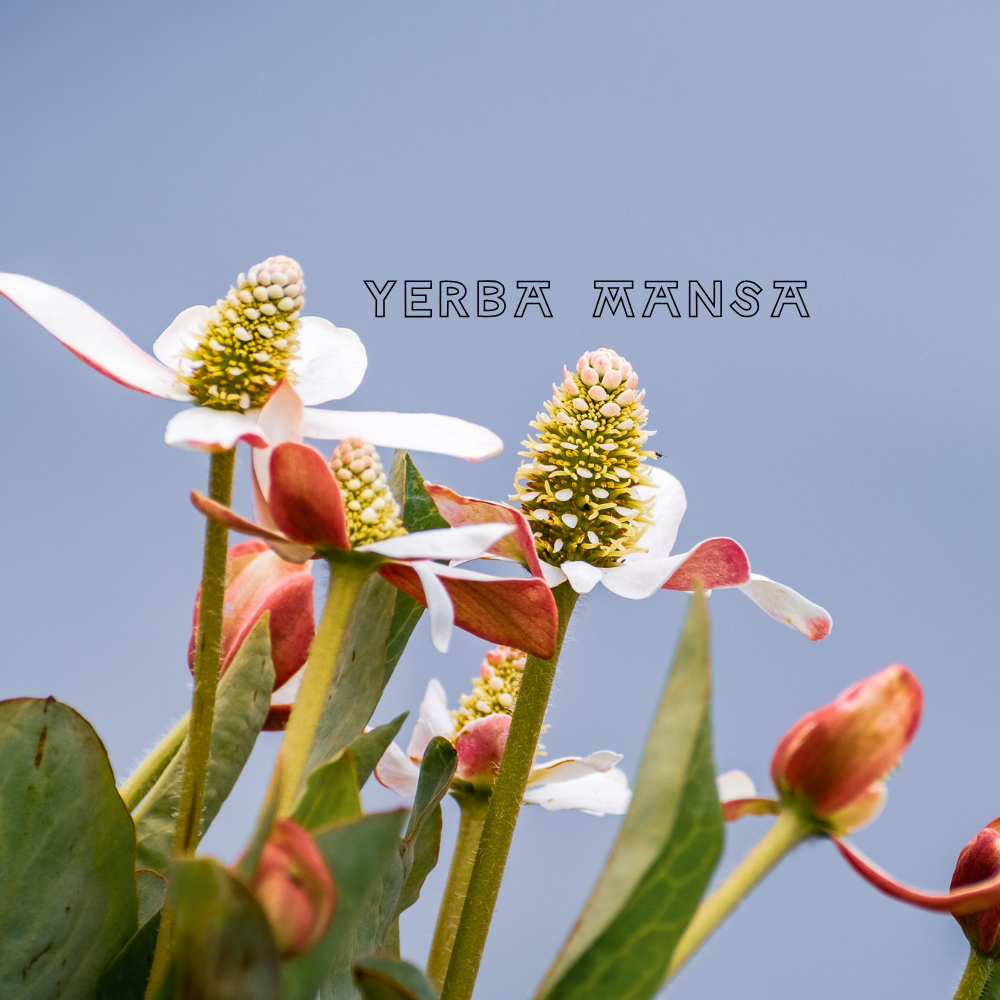
- Yerba mansa (Anemopsis californica): Astringent, toning support for boggy, over-wet mucosa—nose/throat, chronic respiratory or urogenital imbalances.
Meaning is Medicine
One antidote to burnout is meaning, feeling your effort change something. Learning the language of your bod, partnering with plants, and reclaiming practices historically dismissed or demonized is a way of re-membering your wholeness. So re-claim that flame, Witch. The world needs you.

Resources


Latest Journals
Menu of Meaning and Medicinals: An Herbal Feast
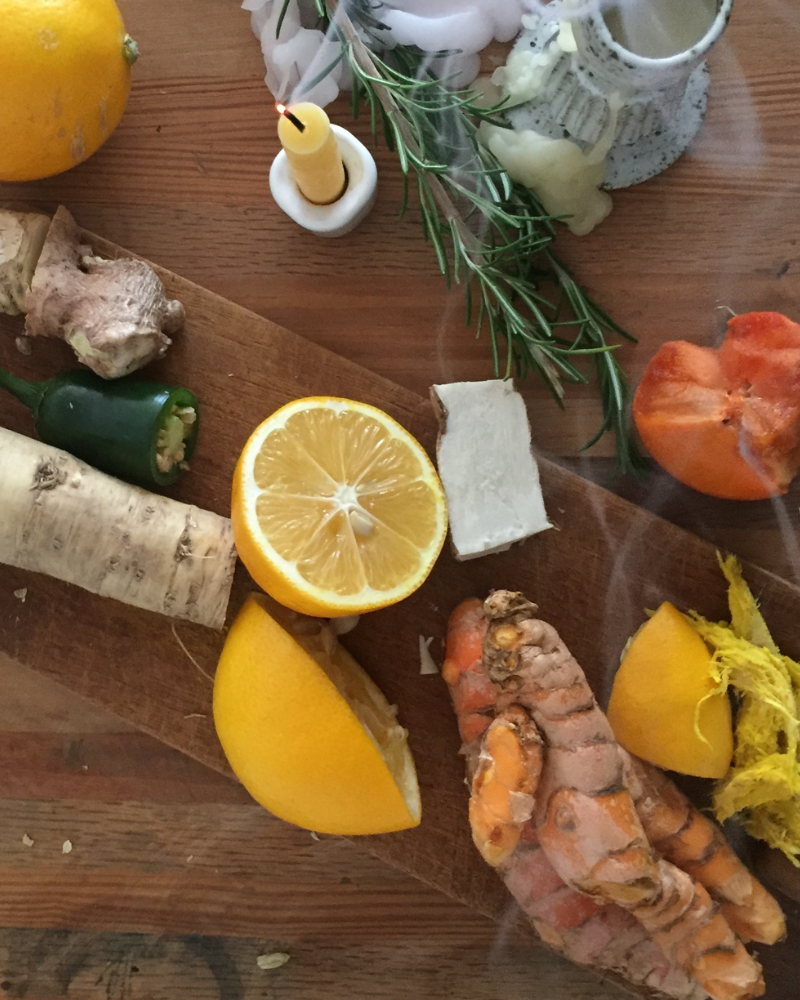
Four recipes we'll be throwing down this season. We see the holidaze as a time to revel in the ginger and spice, to balance all the things that aren’t so nice. The flavors of the winter seasons are warming, stimulating, reminders of our sensual capacity.
Practitioner Spotlight: Meghan Henshaw on Herbal Healing and Bodywork
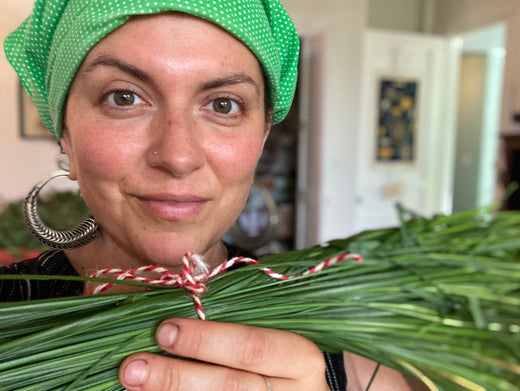
Meghan Henshaw is an herbalist, educator, and owner of Ocotillo Herbals. She was also the inaugural member of our Practitioner Program, and we want to share her magic with you, our community. We had the opportunity to interview Meghan and get the full scope of the expertise she brings into her practice and the world.


Tags